How We Authenticate Signed Jewelry
What the process actually looks like
Authentication isn't magic, and it isn't about having one secret trick. It's systematic evaluation of evidence until you reach a confident conclusion—or determine you can't.
Here's how we approach it. If you're new to signed jewelry, you might want to start here for an overview first.
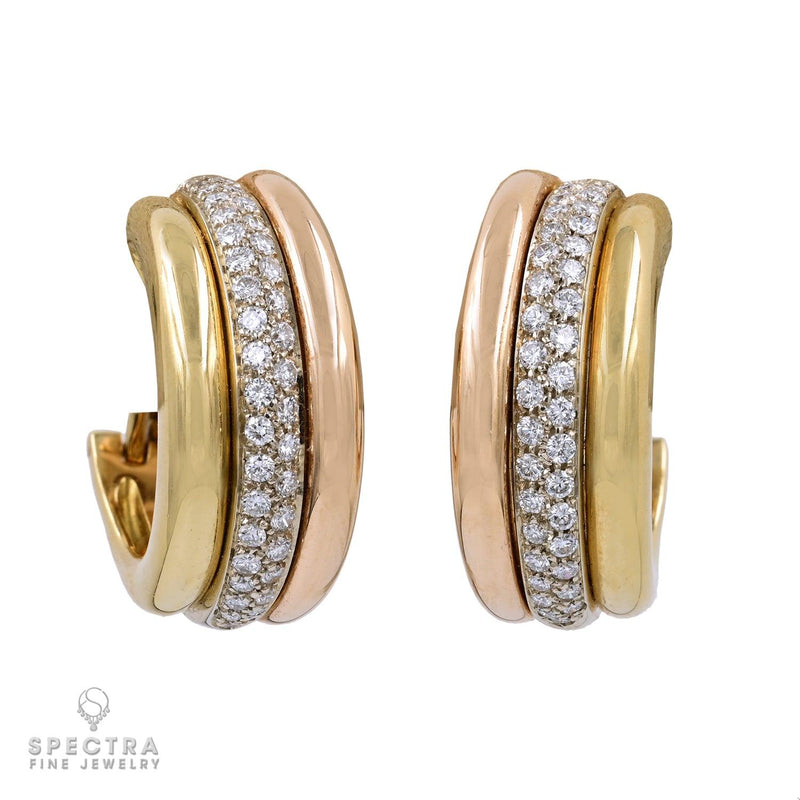
The Fundamental Principle
No single factor proves authenticity.
Not the signature. Not the serial number. Not the box. Not the price paid. Not who sold it. Not where it's from.
Authentication requires multiple factors pointing in the same direction. When everything aligns—construction, materials, marks, wear, provenance—you have confidence. When things don't align, you investigate further or pass.
Step 1: Initial Assessment
Before anything else, we ask:
What's the piece supposed to be?
- Which brand/house?
- What collection or design?
- What era (if claimed)?
- What materials (gold, platinum, stones)?
Is this something the brand actually made? Not every design attributed to a house is real. Some "Cartier-style" pieces were never made by Cartier. Research confirms whether the claimed piece exists. Our brand guides help with this step.
Does the price make sense? If someone offers a $10,000 piece for $2,000, that's a red flag requiring explanation—not a bargain to jump on.
Step 2: Physical Examination
This is where authentication really happens. We examine:
Construction Quality
Metalwork:
- Finishing quality (polished surfaces, edges, backs)
- Solder joints (clean, invisible, appropriate)
- Weight and heft (appropriate for claimed materials)
- Structural integrity
Stone Settings (if applicable):
- Setting security
- Symmetry and alignment
- Quality of execution
- Appropriate technique for era
Mechanisms:
- Clasp function (springs, tension, engagement)
- Hinges (smooth operation, durability)
- Moving parts (if applicable)
Overall:
- Does this meet the quality standards of the claimed maker?
- Luxury houses don't make flimsy jewelry
Marks and Signatures
Brand signature:
- Present and readable?
- Style appropriate for claimed era?
- Engraving quality consistent?
- Placement correct for piece type? (Where marks hide)
Metal marks:
- Fineness marks present (750, 925, PLAT)?
- Consistent with brand and era?
- Quality of impression?
Hallmarks (if applicable):
- French, British, or other hallmarks?
- Appropriate for claimed origin?
- Independent verification of metal?
Serial numbers (if applicable):
- Format appropriate for era and product? (See our guide on Cartier serial numbers and the Cartier serial number reality in our brand guide)
- Engraving consistent with other marks?
- Placement correct?
Material Verification
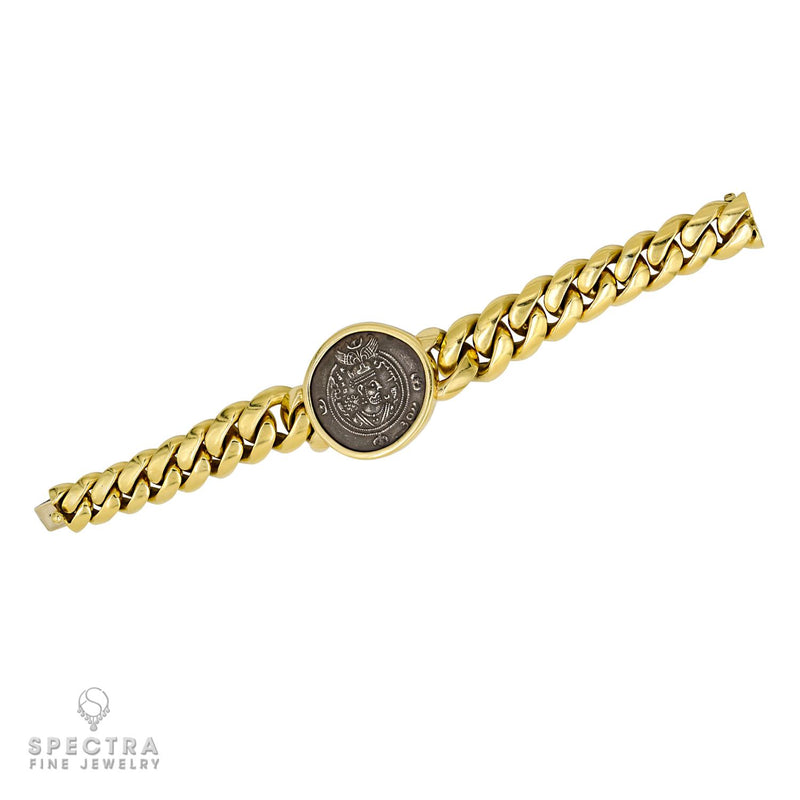
Metals:
- Does it test to claimed purity?
- Weight appropriate for size? (Estimate carat weight or use our metals converter for weight calculations)
- Color correct (gold tones, platinum vs white gold)?
Stones:
- Are they what they claim to be?
- Quality consistent with maker's standards?
- Settings appropriate?
Enamel (if applicable):
- Quality of enamel work?
- Technique appropriate for maker?
- Condition consistent with age?
Wear Assessment
Does wear tell a consistent story?
- Wear in expected areas (clasps, prongs, chain links)?
- Marks show wear consistent with the piece?
- Patina appropriate for age?
Red flags:
- Crisp marks on heavily worn piece (marks may have been added)
- Wear patterns that don't make sense
- Signs of removed or altered marks
Step 3: Comparative Analysis
We compare the piece to:
Known authenticated examples:
- From our own inventory
- Auction house records
- Brand documentation
- Reference materials
Looking for:
- Design consistency (proportions, details)
- Mark consistency (fonts, placement, style)
- Construction consistency (techniques, quality)
Step 4: Provenance Review
What's the history?
Documentation:
- Original receipts?
- Previous appraisals?
- Auction records?
- Service history?
Source:
- Where did the piece come from?
- Is the story plausible?
- Can anything be verified?
Chain of custody:
- How did it get from original purchase to now?
- Are there gaps that concern us?
Step 5: Synthesis and Conclusion
After gathering evidence, we ask:
Does everything align?
- Construction matches brand standards ✓
- Marks are correct and consistent ✓
- Materials verify ✓
- Wear tells coherent story ✓
- Provenance is reasonable ✓
If yes: Confident authentication
If no: Either:
- Identified problems (not authentic, altered, etc.)
- Uncertainty requiring additional investigation
- Piece has issues that should be disclosed (replaced parts, repairs, etc.)
What We Can and Can't Determine
We Can Typically Determine:
- Whether construction meets brand standards
- Whether marks are consistent with authentic examples
- Whether materials are what they claim to be
- Whether wear patterns are consistent
- Whether specific problems exist
We Cannot Always Determine:
- Exact date of manufacture (unless documentation exists)
- Original ownership history (without documentation)
- Every alteration or repair (some are well-hidden)
- Definitive authentication without physical examination
The Limits of Photos
Much can be assessed from photos, but photos have limits:
Photos can show:
- Mark placement and legibility
- Design and proportions
- Obvious construction issues
- Wear patterns
Photos cannot show:
- Weight and heft
- Clasp tension and function
- Metal testing results
- Subtle construction details
- Overall "feel" of quality
Our policy: Photo review can identify obvious issues and provide guidance, but significant purchases warrant hands-on examination.
Common Scenarios
"Everything looks right" When all factors align, we're confident. Authentication is positive.
"Good piece, replaced clasp" The piece is authentic, but a component was replaced at some point. We disclose this—it affects value and is relevant information.
"Nice fake" Some counterfeits are well-made. But close examination reveals inconsistencies: mark quality, construction details, material differences.
"Uncertain, needs more research" Sometimes pieces don't fit neatly. Edge cases, unusual variants, or sophisticated questions require additional investigation.
"Obviously wrong" Many fakes are identifiable quickly. Wrong fonts, poor construction, incorrect formats—these fail initial assessment.
Why Experience Matters
Authentication gets easier with experience because:
Pattern recognition develops. After seeing thousands of pieces, you recognize quality. You also recognize problems.
Reference points accumulate. The more authenticated examples you've handled, the better you can compare. Our brand guides give you reference points to start.
Fake patterns become familiar. Counterfeiters make consistent mistakes. Experienced authenticators recognize them. Read about the most faked jewelry brands to learn common patterns.
Subtleties register. The "feel" of quality—weight, finish, precision—becomes intuitive.
This is why we recommend expert evaluation for significant purchases. The investment in professional authentication is small compared to the cost of getting it wrong. Learn more about us and our Diamond District expertise.
How to Get Help
Send photos: Multiple angles, close-ups of all marks, overall shots. Good lighting, good focus.
Provide context: What are you told about the piece? Where is it from? What's the price?
Ask specific questions: The more specific, the more useful our response.
Contact Spectra for Authentication Help →
This page describes our general authentication approach. Specific pieces may require different emphasis depending on brand, era, and condition. Independent educational resource.
About This Guide
This guide was written by the authentication specialists at Signed Vintage Jewelry, a Diamond District resource backed by Spectra Fine Jewelry's 30+ years of expertise in signed and estate pieces. Our team examines hundreds of pieces monthly.
Need Help?
Send photos of a piece you're evaluating. We'll give you a straight read—no pressure, no BS.
Contact Spectra Fine Jewelry →Ready to Browse Authenticated Pieces?
Every item at Spectra Fine Jewelry goes through our verification process before it hits the case. No guesswork. No surprises.