How to Read a Cartier Serial Number
Published: January 18, 2026
Cartier serial numbers are useful—but they're more complicated than most people think. The format has changed over decades. Different product lines use different systems. And a serial number alone proves much less than collectors hope.
Here's what you actually need to know about Cartier serial numbers.
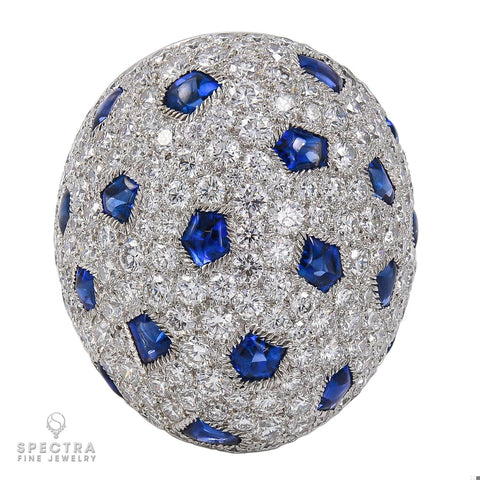 Signed Cartier Panthère ring—authentic pieces carry proper serial numbers and Cartier signatures
The Basic Reality
Cartier has used serial numbers for generations. They appear on watches, Love bracelets, fine jewelry, and many other pieces. But there's no single "Cartier serial number format" that applies to everything.
Why it's complicated:
- Different product categories have different systems
- Formats have evolved over decades
- Some vintage pieces have no serials
- Serial number databases aren't publicly accessible
What serial numbers can tell you:
- Format consistency with era and product type
- Whether placement and engraving match authentic examples
- One data point for authentication
What they can't tell you:
- That the piece is definitely authentic
- That this is the specific piece with that number
- That the brand will verify it for you
Love Bracelets: The Most-Asked-About Serial
The Cartier Love bracelet has serial numbers, and this is what everyone wants to understand.
Modern Love bracelet serial format (approximately 2005+):
- Alphanumeric format
- Letter + numbers
- Example format: A12345, B23456, etc.
Older Love bracelet serials:
- Numeric only in some periods
- Shorter sequences
- Format changes at various production points
Where to find it:
- Inside the bracelet
- Near the "Cartier" signature
- Both halves should have consistent marking
What to check:
- Engraving depth matches the Cartier signature
- Font is consistent with authentic examples
- Placement is where Cartier puts it
The catch: Serial numbers can be engraved onto fakes. Having a number doesn't prove authenticity.
Watches: Different System
Cartier watches have their own serial number system, and it varies by model and era.
Case serials:
- Engraved on the case back or between lugs
- Different format from jewelry serials
- Cartier can sometimes verify with documentation
Movement serials:
- Inside the watch (requires opening the case)
- Relates to the movement, not necessarily the case
- Watchmaker access required
What to look for:
- Consistent engraving quality
- Appropriate format for the watch model and era
- Placement where Cartier puts it
For vintage watches:
- Older formats may look different
- Wear may affect legibility
- Specialist knowledge helpful
Juste un Clou and Other Collections
Different collections have different marking approaches:
Juste un Clou:
- Serial numbers on most pieces
- Located inside bands, on clasps
- Modern format (alphanumeric)
Panthère collection:
- Varies by piece type
- Watches have watch-style serials
- Jewelry follows jewelry conventions
Trinity:
- May have serials on specific sizes/eras
- Check inside bands
General pattern: Higher-value pieces and pieces requiring registration (like Love bracelets) consistently have serials. Smaller pieces may not.
Era Differences
Serial number formats have evolved:
Vintage (pre-1980s):
- Less standardized
- Often shorter numbers
- Some pieces may have no serial
- French hallmarks may be the primary identifying marks
Modern (1980s-2000s):
- More consistent formats
- Serial numbers standard on major pieces
- Cartier signature + serial + metal marks expected
Recent (2000s-present):
- Alphanumeric formats common
- Database tracking (internal to Cartier)
- Consistent placement
Key point: Don't judge a vintage piece by modern serial standards. Older pieces have older marking styles.
Where Serials Appear
Bracelets:
- Love: Inside curve, near signature
- Cuff bracelets: Interior surface
- Chain bracelets: Clasp tag
Rings:
- Inside the shank
- May be abbreviated on small sizes
Necklaces:
- Clasp tag/tongue
- Near the brand signature
Earrings:
- Back of the earring
- May be abbreviated or absent on small pieces
Watches:
- Case back (exterior or interior)
- Between lugs
- Movement (internal)
Verifying with Cartier
Can you verify a serial number with Cartier? Sometimes.
What Cartier may do:
- Verify pieces brought to boutiques (in person)
- Help with authentication for service purposes
- Confirm modern pieces with documentation
What Cartier often won't do:
- Verify serials for third-party sales
- Provide authentication for estate pieces
- Give database access to non-customers
- Guarantee authentication for auction or dealer purchases
Reality check: Don't count on Cartier verification as your authentication strategy. It's inconsistent and often unavailable for secondary market pieces.
Red Flags in Serial Numbers
Engraving that looks wrong:
- Too deep or too shallow compared to the brand signature
- Different technique (scratchy, laser, hand-engraved when it should be machine)
- Font that doesn't match Cartier's style
Format inconsistencies:
- "Vintage" piece with modern serial format
- Format that doesn't match the product category
- Length or character types that seem off
Placement issues:
- Serial in an unusual location
- Serial without accompanying marks (signature, metal stamps)
- Serial that looks added after original production
Multiple identical serials:
- If you find the same serial on multiple pieces for sale, that's a copied number
Using Serials in Authentication
What serials should do:
- Be consistent with the piece's other marks
- Match the format for that era and product type
- Have engraving quality matching the brand signature
- Be in the appropriate location
What serials should NOT do:
- Stand alone as proof of authenticity
- Replace evaluation of construction and materials
- Be the only mark on the piece
- Substitute for expert evaluation
The correct approach: Serial numbers are supporting evidence. They should fit with everything else. If everything else checks out, a matching serial adds confidence. If other aspects are wrong, the serial doesn't save the piece.
For a complete framework on evaluating Cartier pieces, see our Cartier authentication guide and the hallmarks reference for understanding French hallmarks.
Documenting Serial Numbers
If you own authenticated Cartier:
Record the serial number:
- Photograph it clearly
- Include it in insurance documentation
- Keep it with purchase receipts
Why it matters:
- Helps with insurance claims
- Useful for service and repairs
- Part of provenance documentation
- May help if the piece is lost or stolen
Don't share publicly:
- Serial numbers on fakes are often copied from real pieces
- Don't post your serial number online where it can be harvested
Reference: Serial Number Checklist
When evaluating a Cartier serial number:
□ Format appropriate? (Era, product category, length) □ Engraving quality matches? (Same technique as brand signature) □ Location correct? (Where Cartier puts serials on this piece type) □ Consistent with other marks? (Metal stamps, hallmarks present) □ Not found elsewhere? (Quick search doesn't show same number on other pieces for sale) □ Wear appropriate? (Serial wear matches piece wear)
The Bottom Line
Cartier serial numbers are one piece of the authentication puzzle. They're useful for:
- Checking format consistency
- Verifying engraving quality
- Documentation and insurance
- Supporting other authentication factors
They're not useful as standalone proof. Treat them as evidence, not verdict.
Questions About Cartier Authentication?
We handle Cartier regularly and know what authentic pieces look like.
Browse Authenticated Cartier →
Independent educational resource. Not affiliated with Cartier or Richemont.
Continue Reading
Get the Collector's Newsletter
Join collectors who get authentication tips, market insights, and new guide alerts. No spam, just practical knowledge.
Need Help?
Send photos of a piece you're evaluating. We'll give you a straight read—no pressure, no BS.
Contact Spectra Fine Jewelry →Ready to Browse Authenticated Pieces?
Every item at Spectra Fine Jewelry goes through our verification process before it hits the case. No guesswork. No surprises.