Collecting Art Deco Jewelry: A Beginner's Guide
Published: January 30, 2026
Art Deco jewelry is having a moment. Actually, it's been having a moment for about two decades—prices have steadily climbed as collectors recognize that the 1920s-1930s produced some of the most wearable, elegant jewelry in history.
If you're thinking about starting an Art Deco collection, here's what you need to know before you spend money.
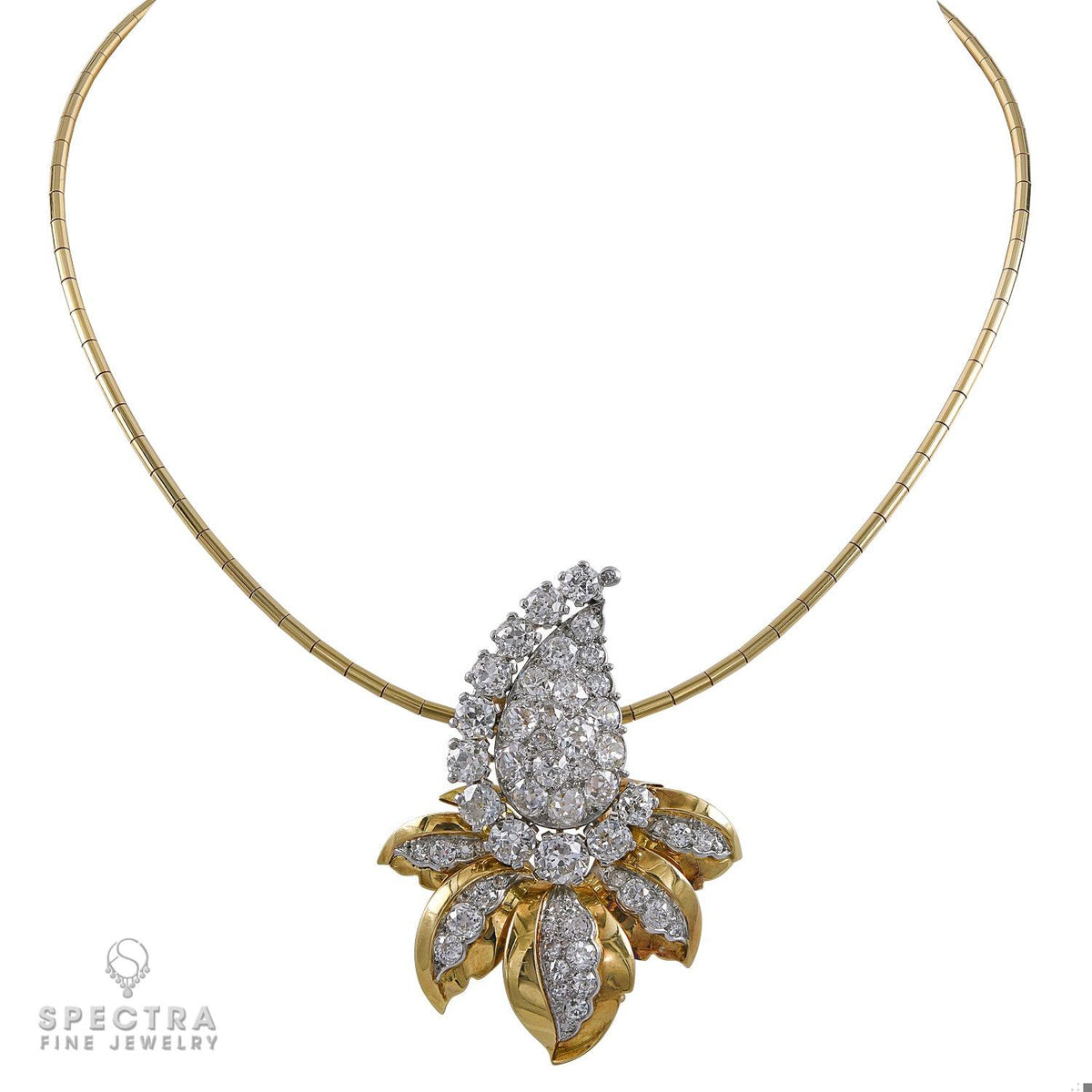 Signed Cartier Art Deco pendant from 1948—exemplifying the geometric elegance and exceptional craftsmanship of the period
What Makes Art Deco "Art Deco"
The Art Deco period spans roughly 1920-1939, sandwiched between the organic curves of Art Nouveau and the bold volume of Retro.
Defining characteristics:
- Geometric shapes: Rectangles, triangles, circles, and chevrons dominate
- Symmetry: Perfect balance is the goal
- Clean lines: Streamlined, modern, no excess
- Contrast: Black and white, color blocking, mixing materials
- Egyptian and Asian influences: King Tut's tomb discovery (1922) and trade with Asia show up in motifs
Materials of the era:
- Platinum became the metal of choice (white, strong, takes delicate work)
- White gold emerged as a platinum alternative
- Diamonds were cut in new ways (baguette, emerald cut)
- Coral, jade, onyx, and rock crystal provided color contrast
- Calibré-cut colored stones filled geometric patterns
Why Art Deco Appeals to Modern Collectors
Art Deco pieces are remarkably wearable today. The clean lines, geometric patterns, and often neutral color schemes complement contemporary fashion better than many other vintage periods.
Practical advantages:
- Timeless design: Doesn't look dated or costume-y
- Quality materials: Platinum and high-quality stones
- Craftsmanship: Hand-finished work from skilled artisans
- Size range: From subtle to statement, pieces exist for every preference
- Versatility: Works with business attire and evening wear
Investment perspective: Art Deco pieces from major houses have appreciated significantly. Even unsigned period pieces have seen price increases as supply diminishes and demand grows.
Where to Find Authentic Pieces
Best sources:
- Specialized dealers: Established businesses focusing on signed and period jewelry offer authentication, return policies, and expertise
- Major auction houses: Christie's, Sotheby's, Bonhams for significant pieces
- Estate jewelry specialists: Better selection and knowledge than general antique shops
- Established online platforms: Those with authentication guarantees and return policies
Proceed with caution:
- General antique shows (mixed quality, limited expertise)
- Online marketplaces without authentication
- "Estate sale" finds without verification
Avoid:
- Dealers who can't or won't discuss provenance
- "Too good to be true" prices
- Anyone resistant to third-party authentication
The Authenticity Challenge
Art Deco is heavily reproduced. Modern jewelers create "Art Deco style" pieces, and outright fakes targeting collectors also exist.
What to examine:
The platinum question: Genuine Art Deco pieces often use platinum. If a piece is marked 14k white gold with "Art Deco" styling but no platinum content, it may be later reproduction.
Construction techniques: Period pieces show hand-finishing, especially underneath and in hidden areas. Machine-perfect work throughout suggests modern manufacture.
Stone cutting: Art Deco cutters had different technology. Old European cuts, single cuts, and early baguettes differ subtly from modern cuts.
Wear patterns: Genuine 90-100 year old pieces show age. Perfect condition with no wear is suspicious.
Hallmarks and stamps: Should be consistent with period and origin. Research what marks you should find (and not find) for the claimed provenance.
Building a Focused Collection
Random buying leads to random collections. Focus creates coherence and expertise.
Possible focus areas:
By house: Collect Cartier, Van Cleef & Arpels, or other major makers. Deep expertise in one house makes authentication easier and builds a cohesive collection.
By type: Brooches, rings, bracelets, or earrings. Specializing lets you compare pieces and recognize quality differences.
By motif: Geometric patterns, Egyptian revival, Chinese influence, or specific design elements. Creates visual cohesion.
By material: Platinum and diamond, colored stone combinations, or coral and jade pieces.
Price Expectations (2026 Market)
Art Deco pricing varies enormously based on maker, materials, condition, and provenance.
Unsigned period pieces:
- Simple rings: $500-$2,000
- Quality brooches: $1,000-$5,000
- Fine bracelets: $3,000-$15,000
Signed pieces from major houses:
- Cartier, Van Cleef & Arpels, Boucheron pieces start at $5,000 and can reach millions for exceptional examples
- "Secondary" maker pieces (still excellent quality): $2,000-$20,000
What affects price:
- Signature/maker (biggest factor)
- Stone quality and size
- Design complexity
- Condition
- Provenance
- Rarity of the specific piece
Condition Considerations
Vintage jewelry has lived. Accept appropriate wear; reject damage.
Acceptable:
- Light surface scratches (can be polished)
- Minor patina in recessed areas
- Slight loosening of stones (normal, fixable)
- Wear marks consistent with age and use
Concerning:
- Missing stones
- Cracked or chipped gems
- Significant structural damage
- Evidence of major repairs
- Replaced components (different era clasps, etc.)
Deal-breakers (unless priced accordingly):
- Broken sections
- Missing major elements
- Signs of conversion from one piece type to another
- Obvious fraud indicators
Authentication Essentials
For any significant Art Deco purchase:
-
Examine the piece in person if possible (or require detailed photos including all marks, under magnification)
-
Verify metal content — Period platinum pieces should test as platinum; gold pieces should match marked karat. Our precious metals converter helps you understand what the purity marks mean.
-
Research the marks — Understand what hallmarks and maker's marks should appear for the claimed origin
-
Consider independent authentication for pieces over $5,000
-
Buy from sources that stand behind what they sell — Return policies matter
Our authentication guide covers the full process professionals use.
The Starter Collection Approach
If you're new to Art Deco collecting:
Start small: Buy a quality piece you can afford, study it, wear it, learn from it.
Prioritize learning: Read books, attend auctions (even just to watch), visit museum collections, talk to specialists.
Build relationships: Find dealers who will educate you, not just sell to you. Their expertise protects your investment.
Accept your first mistakes: Every collector buys something they later regret. Make those mistakes on less expensive pieces.
Focus on pieces you'll wear: Jewelry in a safe adds no joy to your life. Buy what you'll actually use.
Essential Resources
Books:
- Cartier 1900-1939 (Nadelhoffer)
- Art Deco Jewelry (Becker)
- Jewels of the Art Deco Era (various authors)
Museums with significant Art Deco collections:
- The Metropolitan Museum of Art
- Victoria and Albert Museum
- Musée des Arts Décoratifs (Paris)
Online resources:
- Auction house archives (Christie's, Sotheby's)
- Lang Antiques' Antique Jewelry University (excellent educational content)
- Period photography archives showing jewelry in context
The Long View
Art Deco pieces have been appreciating for decades. Supply is finite—no one is making more genuine 1920s jewelry. Demand continues to grow as collectors recognize the period's design achievements.
A carefully built Art Deco collection combines aesthetic pleasure with reasonable investment prospects. But don't buy purely for investment. Buy what moves you, what you'll wear, what you'll enjoy owning.
The best collections are built slowly, with intention, by people who genuinely love what they collect.
Looking for Art Deco Pieces?
We maintain a curated selection of authenticated Art Deco jewelry. Or send us what you're looking for—we source specific pieces for collectors.
Independent educational resource. Not affiliated with any brands mentioned.
Continue Reading
Get the Collector's Newsletter
Join collectors who get authentication tips, market insights, and new guide alerts. No spam, just practical knowledge.
Need Help?
Send photos of a piece you're evaluating. We'll give you a straight read—no pressure, no BS.
Contact Spectra Fine Jewelry →Ready to Browse Authenticated Pieces?
Every item at Spectra Fine Jewelry goes through our verification process before it hits the case. No guesswork. No surprises.