How to Get an Accurate Jewelry Appraisal (And What Appraisals Can't Tell You)
Published: July 6, 2026
The short answer: A real appraisal starts with the stone — not the setting, not the brand name, and definitely not what someone paid for it. Get a gemologist who separates the diamond or colored stone from the mounting, grades it loose, and writes from actual measurements. Skip the retail-replacement fluff. And never confuse an insurance appraisal with market value. They're not the same number.
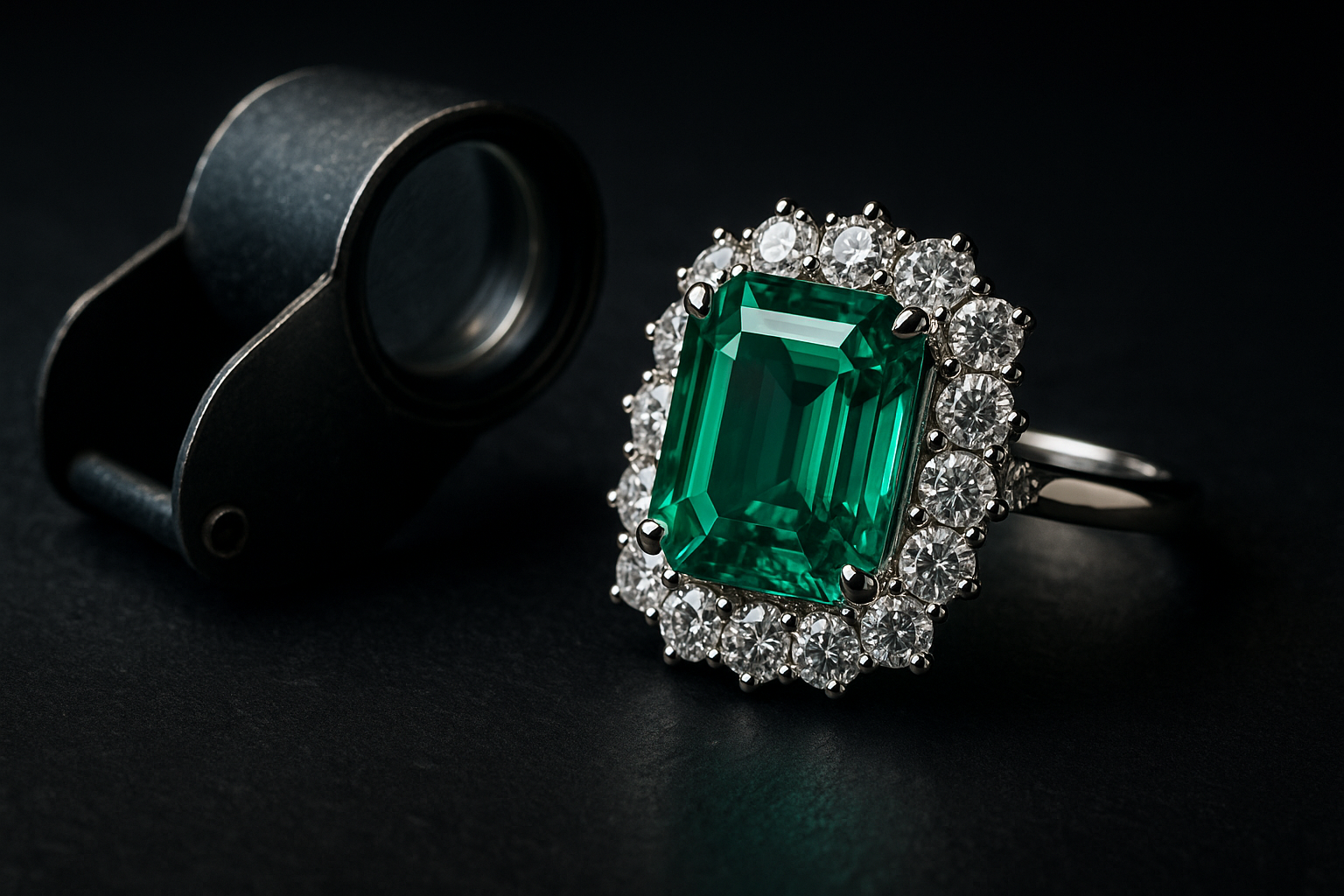
Last month a client walked into my office on 47th Street with a 3.02-carat emerald-cut diamond ring and an appraisal from a mall jeweler in New Jersey. The paper said $94,000. He'd paid $41,000 two years earlier and wanted to sell. We pulled the stone, graded it loose under the scope — H color, VS2 clarity, mediocre proportions. Same stone I could buy wholesale that afternoon for $18,500. His "accurate appraisal" wasn't accurate. It was a retail-replacement fantasy printed to make him feel good about his purchase.
That gap — between what a piece appraises for and what it's actually worth — is where most people get burned. I've been buying jewelry since 2009 and I've read thousands of appraisal reports. Maybe 20% of them reflect anything close to reality. Here's what the other 80% get wrong.
What Actually Makes a Jewelry Appraisal Accurate?
The stone has to come out of the mounting. Period.
You cannot grade a diamond accurately through a closed-back setting. You can't measure pavilion depth when a prong blocks the view. You can't spot a chip under a bezel. Any appraiser who writes a number without pulling the stone is guessing — and their guess is probably high, because inflated numbers keep retail customers happy.
A proper jewelry appraisal runs through a specific checklist. Carat weight on a calibrated scale — not estimated from measurements. Color graded against master stones, not memory. Clarity examined under 10x magnification with the stone clean. Proportions measured with a Sarine machine or comparable tool. For colored stones, origin and treatment assessment by a major lab — not the appraiser's naked eye.
The mounting gets valued separately. Metal weight, hallmarks, maker's marks, condition of prongs and shank. Signed pieces from Cartier, Van Cleef & Arpels, or Bulgari carry premiums that generic mountings don't. But the mounting almost never drives the value. The stone does.
I've seen too many appraisals where the entire report leans on what the client paid, not what the piece is. That's not an appraisal. That's a receipt with extra steps.
Why Is My Insurance Appraisal Always Higher Than What I Paid?
Because insurance companies want replacement cost at full retail — and full retail in a Madison Avenue boutique has nothing to do with what that same piece trades for on 47th Street or at auction.
An insurance appraisal typically runs 50% to 100% above actual market value. Sometimes more. The logic: if you lose the piece, your policy replaces it at the highest plausible retail price. That's useful for insurance. It's useless for selling.
I regularly see pieces on the secondary market where the insurance appraisal is double what any dealer would pay. The owner walks in expecting to get something close to that number and walks out angry. The appraisal wasn't wrong for its purpose — it was wrong for theirs.
Understand which number you need before you commission the report. An insurance appraisal and a fair market value appraisal use different methodologies and produce different results. If you're selling, you want market value. If you're insuring, you want replacement cost at a high-end retail jeweler. These can differ by a factor of two on the same piece.
Do Lab Reports Replace an Appraisal?
No. They do different things.
A GIA diamond grading report tells you the 4Cs — carat, color, clarity, cut. It doesn't tell you what the stone is worth. Two GIA-certified 2.00-carat G-VS1 round brilliants can differ by 30% in price depending on cut quality, fluorescence, and make. The report gives you the specs. The market gives you the price.
For colored stones — sapphires, rubies, emeralds — the lab matters enormously and most people get this wrong. GIA is the standard for diamonds. For colored stones, the relevant labs are SSEF in Switzerland, Gübelin in Lucerne, and AGL in New York. These three labs have the reference collections and spectroscopic databases to determine origin and treatment with real authority. A colored stone with an SSEF or Gübelin origin report commands a premium over the same stone with a generic lab report. I've seen Kashmir sapphires trade 40% higher with an SSEF Premium Collection report than with a lesser lab's opinion. The paper changes the price.
But a lab report still isn't an appraisal. It won't give you a dollar figure. For that, you need someone who knows what comparable stones are actually selling for — not what someone listed them for. List prices are fiction. Auction results are fact.
What Should You Do Before Walking Into an Appraiser's Office?
-
Separate the stone from the setting if physically possible. If it's a ring, have your jeweler unmount the center stone. You'll get a better grade and a better number.
-
Gather every piece of paper you already have. Original receipts, previous appraisals, GIA certs, SSEF reports, auction provenance, repair records. Don't hand these over before the appraiser starts working. Let them grade blind first, then compare.
-
Know what kind of appraisal you need before you walk in. Insurance replacement, fair market value, estate tax, or divorce settlement all use different valuation standards. The same stone gets different numbers for each.
-
Ask whether the appraiser measures or estimates. If they estimate carat weight from dimensions rather than weighing the stone loose, the number is soft. If they grade color and clarity while the stone is mounted, the number is softer.
-
Get two opinions on anything over $25,000. A second appraisal costs a few hundred dollars. A bad appraisal costs thousands when you sell.
A good appraiser charges by the hour, not by a percentage of the value. Anyone who ties their fee to the appraisal number has an incentive to inflate it. Walk away.
Here's what most people don't realize: the most accurate jewelry appraisal in the world still won't tell you what someone will actually pay. That number only exists at the moment of sale. Everything else is an estimate — sometimes educated, sometimes not. The goal isn't a perfect number. It's a number you can defend with data, methodology, and comparable sales. If your appraiser can't show you the comps, the number is just an opinion.
Frequently Asked Questions
How much should a jewelry appraisal cost?
A proper appraisal from a credentialed gemologist runs $150 to $350 per piece, sometimes more for complex multi-stone pieces or watches. You're paying for time — examination, measurement, research, and the written report. Anyone charging $50 is doing a drive-by. Anyone charging a percentage of the value has a conflict of interest. Flat fee, hourly rate, or nothing. I've never met a serious appraiser who charged on commission, and I wouldn't trust one who did.
How often should I get my jewelry reappraised?
Every two to three years for insurance purposes. Precious metal prices move, diamond prices move, colored stone markets shift. A Burmese ruby market that was soft in 2022 is white-hot by 2025. More importantly, your insurance company will honor a current appraisal — not one from eight years ago. If you're holding a piece with significant appreciation potential (unheated Kashmir sapphire, Argyle pink diamond over 1 carat, signed vintage Cartier), update annually. The market for top-tier material moves fast.
Can I use an online jewelry appraisal service?
You can, but you shouldn't. No one can grade a diamond accurately from a photograph. Color, clarity, and cut quality require physical examination under controlled lighting with master stones for comparison. An online appraisal is a guess dressed up as a report. The only exception is if you already have a GIA or SSEF lab report and just need someone to assign a current market value to documented specs. In that case, a remote valuation from a dealer who trades daily in comparable material might actually beat a local appraiser who hasn't bought a stone since 2019. But for the initial grading work — get the stone under a scope.
Written by Lawrence Paul
Lawrence Paul is a fine jewelry dealer based in New York's Diamond District with over 20 years of experience buying and selling signed vintage and estate jewelry. He is President of Spectra Fine Jewelry at 44 West 47th Street, Suite GF1, New York, NY 10036.
Continue Reading
Get the Collector's Newsletter
Join collectors who get authentication tips, market insights, and new guide alerts. No spam, just practical knowledge.
Need Help?
Send photos of a piece you're evaluating. We'll give you a straight read—no pressure, no BS.
Contact Spectra Fine Jewelry →Ready to Browse Authenticated Pieces?
Every item at Spectra Fine Jewelry goes through our verification process before it hits the case. No guesswork. No surprises.