The Secondary Market Reality: Why Used Luxury Jewelry Prices Make No Sense
Published: January 31, 2026
You paid $8,500 for a Cartier Love bracelet at the boutique. Two years later, you want to sell it. The dealer offers you $5,200.
Wait—aren't these things supposed to hold their value?
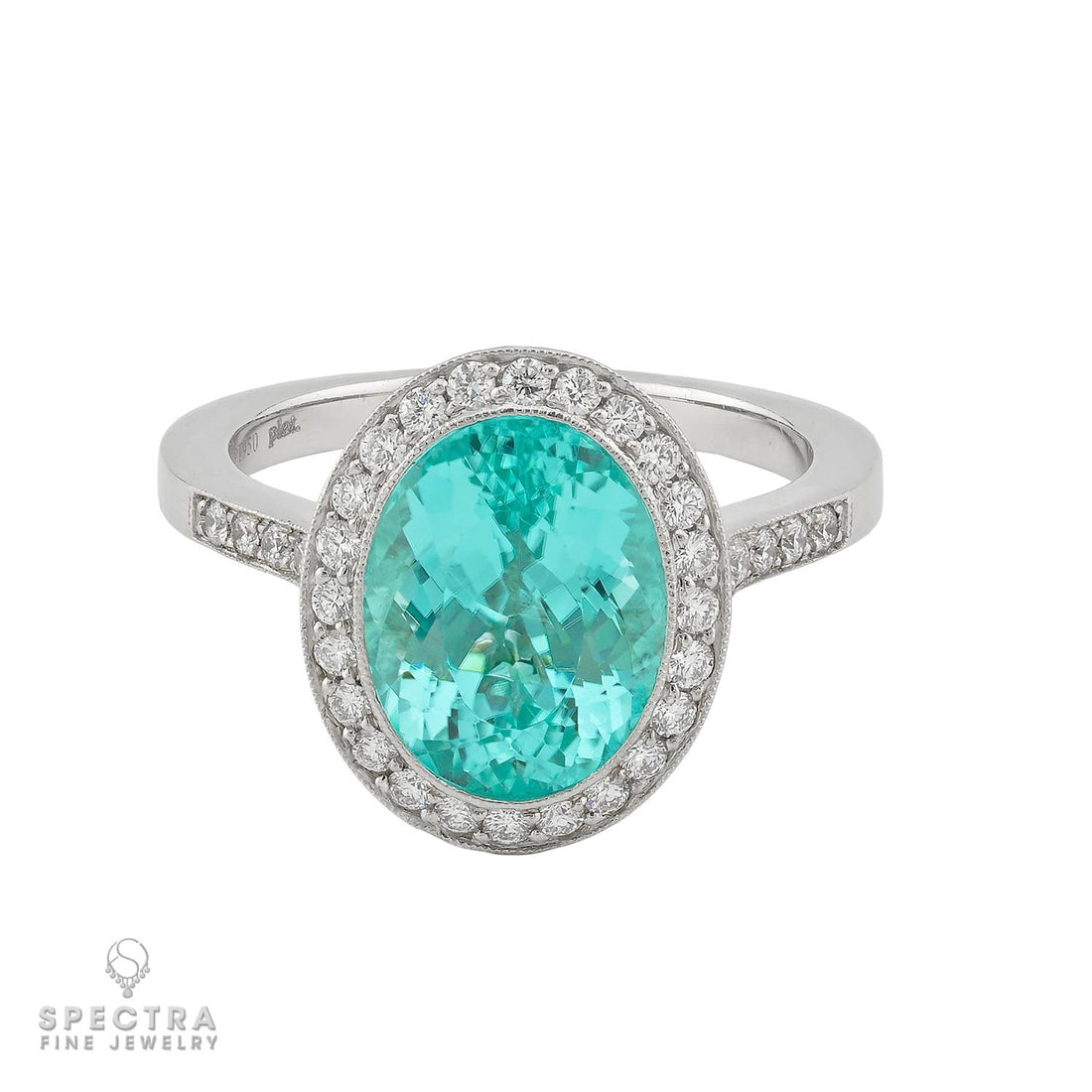 A signed Tiffany & Co. Paraiba tourmaline and diamond ring—understanding the gap between retail and resale value helps set realistic expectations
Here's the uncomfortable truth about the luxury jewelry resale market: there's a big difference between what a piece "sells for" in the secondary market and what you'll actually receive when you're the seller.
The Two-Market Problem
When people talk about resale value, they usually mean the price they see jewelry selling for at dealers, auction houses, and online platforms.
Those are retail prices—what buyers pay.
What sellers receive is wholesale—30-50% lower than retail, sometimes more.
The math:
- Retail price: $7,000
- Dealer pays you: $3,500-$4,500
- Dealer's margin covers: authentication, inventory risk, marketing, overhead, profit
Why the gap matters: When a dealer says "these hold their value well" while showing you pieces at retail prices, remember they're not offering you those prices as a seller.
Who Actually Sets Prices
The secondary market for luxury jewelry isn't a single efficient market. It's multiple overlapping markets with different participants, knowledge levels, and motivations.
Professional dealers: Set prices based on acquisition cost, market demand, inventory turnover, and competitive positioning. They need margins to survive.
Auction houses: Prices reflect specific auction dynamics—who showed up, who was bidding, what else was in the sale. Hammer prices can swing wildly.
Online platforms: Mix of professional sellers and individuals. Wide price variance. Research required.
Private sales: Theoretically get better prices cutting out intermediaries. Practically, trust and authentication issues limit participants.
Brand boutiques: Don't participate in secondary market. Will service pieces but won't buy them back.
Why Your Piece Might Fetch Less Than Expected
Condition reality check: You wore it. It has wear. Dealers see that wear; buyers may care about it. That "excellent condition" self-assessment might not match market standards.
Timing matters: Selling when you need money fast means accepting worse offers. Dealers know desperation when they see it.
Popular vs. unpopular pieces: A classic Love bracelet sells easily. That unusual piece you loved? Might sit in inventory for months. Dealers pay less for slow movers.
Authentication concerns: If your piece lacks documentation, dealers price in the authentication work and the risk that something's wrong.
Market saturation: Some pieces are everywhere. Dealers have three Love bracelets in the case already. They don't need yours at any price.
The Real Performers (and Why)
Some pieces genuinely do hold value better than others.
Best resale value:
- Discontinued pieces with collector demand
- Limited editions that sold out
- Vintage pieces from desirable eras
- Classic designs in precious metals
- Anything with strong provenance
Worst resale value:
- Currently available pieces (compete with boutique)
- Heavy fashion trends (dated quickly)
- Damaged or heavily worn items
- Incomplete sets
- Obscure models few people want
The pattern: Scarcity and desirability drive resale. If someone can buy the same thing new, your used version competes at a discount.
Understanding which pieces hold value best comes down to knowing what makes them authentic and desirable in the first place. Our authentication guide covers the fundamentals.
Auction House Reality
Auctions seem like the direct route to top prices. Sometimes they are. Often they're not.
What auctions work for:
- Significant pieces ($10,000+)
- Rare or unusual items
- Documented provenance
- Complete collections
- Items with auction history
What auctions don't work for:
- Common pieces in small quantities
- Items worth less than auction minimums
- Pieces needing extensive authentication
- Time-sensitive sales
The costs:
- Seller's premium: 10-25%
- Buyer's premium: 20-30%
- Photography and cataloging fees
- Insurance
- Shipping
The timing: Consignment to payment can take 4-6 months. The right auction might be twice a year. This isn't a fast option.
The Dealer Perspective
Understanding why dealers pay what they pay helps set realistic expectations.
A dealer buys your piece. Now they must:
- Verify authenticity (time, expertise, sometimes third-party costs)
- Assess condition and needed repairs
- Clean, polish, photograph
- List it, market it, show it
- Carry it in inventory (cost of capital)
- Handle tire-kickers and negotiations
- Accept risk it doesn't sell, gets damaged, or turns out fake
- Make enough profit to stay in business
All that happens between what they pay you and what they sell it for. The spread isn't greed—it's the cost of operating a business.
Getting the Best Price When Selling
Before you sell:
- Clean the piece gently
- Gather all documentation (boxes, receipts, certificates)
- Take quality photos
- Research recent comparable sales
- Get multiple offers
Where to sell:
- Specialized dealers: Best for signed jewelry, quick transactions
- Consignment: Higher potential price, longer timeline, uncertain outcome
- Auction: Best for significant pieces, also long timeline
- Online platforms: Work if you can authenticate and handle logistics
- Private sale: Highest return if you find a trusted buyer
What increases your payout:
- Complete documentation
- Excellent condition
- Desirable brands and models
- Clean provenance
- Patience (ability to wait for the right offer)
The Insurance Question
Many people insure jewelry for replacement value—what it would cost to buy equivalent at retail.
That number has almost nothing to do with what you'd receive selling the piece.
- Insurance value: $12,000
- Resale value: $6,000-$7,000
- Your actual payout: $4,500-$5,500
This isn't a problem with insurance. Replacement value correctly represents what replacing the piece would cost. Just don't confuse insurance value with sale value.
Long-Term Thinking
If you're buying jewelry hoping to sell it later:
Buy smart:
- Classic designs over trends
- Quality over quantity
- Brands with strong secondary markets
- Complete packages (box, papers)
Maintain well:
- Proper storage
- Regular cleaning
- Professional service when needed
- Keep all documentation
Accept reality:
- Most jewelry depreciates
- Appreciation requires time, rarity, and luck
- Buy because you want to own it, not flip it
The Honest Takeaway
Luxury jewelry can hold value reasonably well compared to many purchases—but it's not an investment in the traditional sense.
The spread between what you pay and what you'll receive when selling is significant. Account for that when making purchase decisions.
The best approach: buy what you love, wear it, enjoy it. If it holds value over time, that's a bonus. If you eventually sell and get less than expected, you still had years of pleasure from owning something beautiful.
That enjoyment is the real return on jewelry.
Thinking About Selling?
We buy signed vintage jewelry outright and offer consignment for exceptional pieces. Fair assessments, transparent offers, no games.
Independent educational resource. Not affiliated with any brands mentioned.
Continue Reading
Get the Collector's Newsletter
Join collectors who get authentication tips, market insights, and new guide alerts. No spam, just practical knowledge.
Need Help?
Send photos of a piece you're evaluating. We'll give you a straight read—no pressure, no BS.
Contact Spectra Fine Jewelry →Ready to Browse Authenticated Pieces?
Every item at Spectra Fine Jewelry goes through our verification process before it hits the case. No guesswork. No surprises.