What "Estate Jewelry" Really Means
Published: January 16, 2026
"Estate jewelry" is one of those terms that sounds clear but gets used loosely. Understanding what it actually means—and what sellers sometimes want you to think it means—helps you shop smarter.
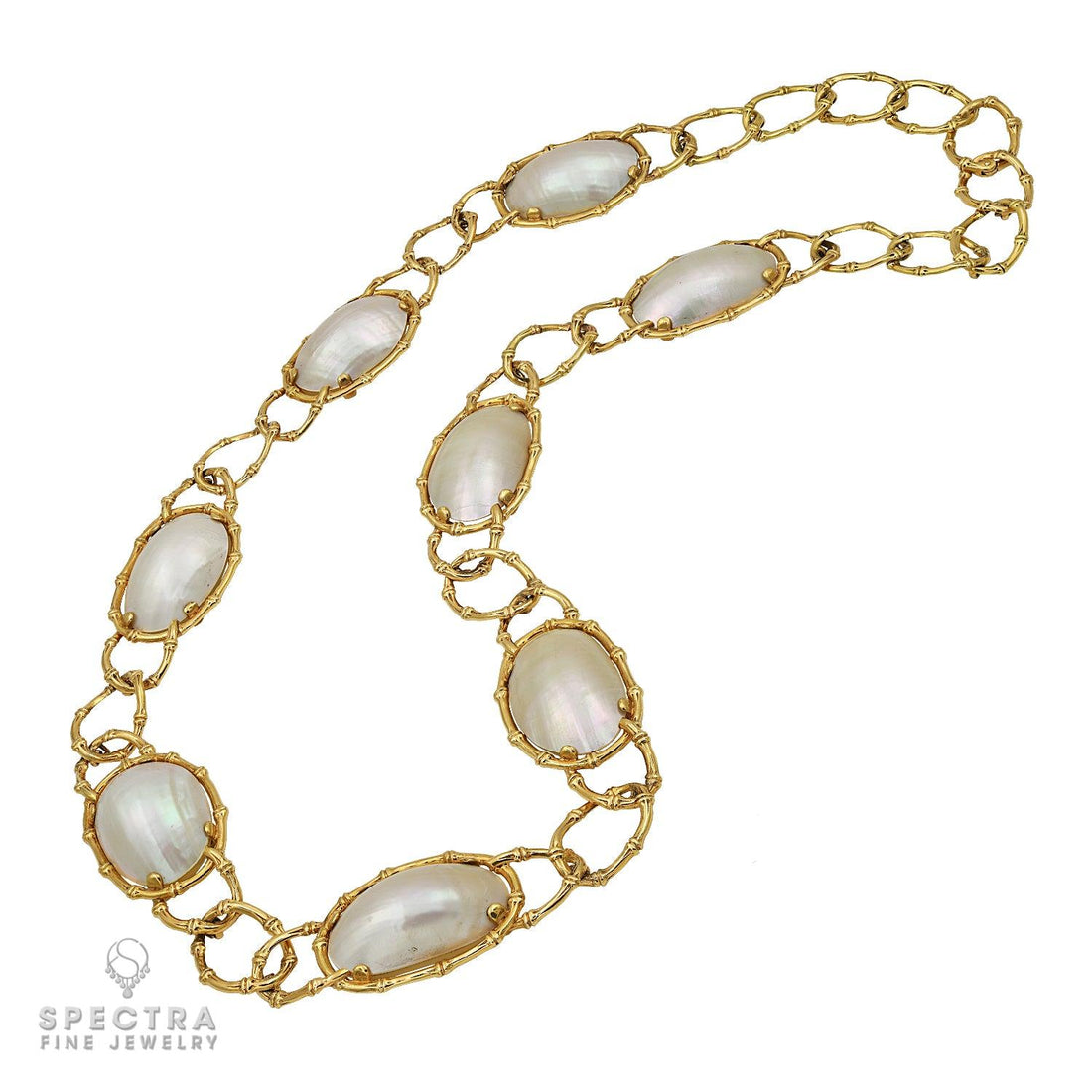 A signed Van Cleef & Arpels vintage pearl necklace—estate jewelry encompasses everything from recently pre-owned pieces to treasured vintage finds like this
Here's the real definition and what to watch for.
The Technical Definition
Estate jewelry refers to previously owned jewelry, regardless of age. That's it.
A piece becomes "estate" when it changes hands from its original owner. A ring purchased at Tiffany in 2020 and resold in 2024 is technically estate jewelry. So is a Victorian brooch from 1890.
Estate = pre-owned. The term carries no implication of age, quality, brand, or value.
What Sellers Sometimes Imply
The word "estate" has acquired connotations that aren't part of the definition:
Implication: It's old/vintage/antique Reality: It just means pre-owned. Could be from any era.
Implication: It came from someone's collection Reality: Might have. Might also have come from a pawn shop, liquidation, or anywhere else.
Implication: It has provenance or history Reality: Not necessarily. "Estate" doesn't mean documented history.
Implication: It's a good deal Reality: Pre-owned can be good value, but "estate" isn't inherently discounted.
Implication: It's authentic/quality Reality: Fakes and low-quality pieces get called "estate" too.
Age Categories That Actually Mean Something
The jewelry industry has more specific terms for age:
Antique
- Generally 100+ years old
- Some use 75 years as the threshold
- Pieces from specific historical periods (Georgian, Victorian, Edwardian, Art Nouveau, Art Deco)
Vintage
- Generally 20-100 years old
- Sometimes used for pieces from specific decades (1950s, 1960s, 1970s)
- Age gives character but isn't extreme
Period
- From a specific historical/design era
- "Art Deco period" = 1920s-1930s
- "Retro period" = 1940s
- Implies design characteristics of that time
Pre-owned / Previously owned
- Straightforward: someone owned it before
- No age implication
- Same as "estate" technically
"Estate Sale" vs. "Estate Jewelry"
These are related but different:
Estate sale: An event where possessions from an estate (usually after someone dies) are sold. A specific sale event.
Estate jewelry: The general category of pre-owned jewelry. Doesn't need to come from an estate sale.
Most "estate jewelry" sold by dealers didn't come from estate sales. It came from:
- Trade-ins at jewelry stores
- Pawn shops
- Auction lots
- Wholesalers
- Direct purchases from individuals
- Other dealers
Calling it "estate" sounds better than "used" or "second-hand." That's largely why the term persists.
Why "Estate" Gets Used Loosely
Marketing: "Estate jewelry" sounds elegant. "Used jewelry" doesn't. Same product, different connotation.
Price justification: "Estate" can suggest rarity, history, or collector value—whether or not those apply.
Ambiguity: The vagueness works in sellers' favor. You fill in the story.
Convention: The industry uses the term widely. It's standard vocabulary, even when imprecise.
What You Should Actually Ask
Instead of accepting "estate" at face value, ask:
"How old is this piece?" Get an actual estimate. "1970s" is more useful than "estate."
"Where did you acquire it?" Reputable dealers can usually tell you something. "An estate sale in Connecticut" or "a collection we purchased" is more informative than "it's estate."
"Is it signed/marked?" Brand signatures and hallmarks tell you more than the word "estate."
"What documentation exists?" Original receipts, previous appraisals, auction records—these provide actual provenance.
"What's the condition?" Pre-owned pieces may have wear, repairs, or alterations. Know what you're getting.
Estate Jewelry: Pros and Cons
Advantages:
- Often better value than new retail
- Access to discontinued designs
- Vintage pieces with character
- Unique/one-of-a-kind items
- Sometimes better craftsmanship than modern equivalents
- Sustainability/environmental benefits
Disadvantages:
- May have wear or condition issues
- Sizing/alterations may be needed (check our ring size guide before buying vintage rings)
- No manufacturer warranty
- Authentication can be challenging
- Provenance may be unknown
- Returns may be limited
The key: "Estate" is a category, not a quality guarantee. Each piece needs individual evaluation.
Red Flags in Estate Jewelry Sales
Watch for:
Vague descriptions: "Beautiful estate piece" without details about age, maker, or materials.
Inflated claims: "Rare" or "museum quality" without substantiation.
Resistance to questions: Legitimate sellers welcome questions about provenance and condition.
No return policy: Reputable estate jewelry dealers offer returns.
Price anomalies: Too high for what it is, or too low for what it claims to be.
"Certificate of authenticity" from the seller: Sellers certifying their own merchandise means little.
How to Shop Estate Jewelry Well
Educate yourself: Learn about periods, styles, and brands you're interested in. Knowledge protects you.
Buy from reputable dealers: Established estate jewelry dealers have reputations to protect. Look for experience and specialization.
Get independent appraisals: For significant purchases, have an independent appraiser evaluate before buying (or with a return window).
Ask questions: Age, provenance, condition, repairs, alterations—ask about everything.
Examine carefully: Use a loupe. Check marks, construction, and condition. Look for repairs or alterations.
Understand the terms: Know what "estate" means (and doesn't mean) so marketing doesn't mislead you.
Estate vs. Vintage vs. Antique: Quick Reference
| Term | Typical Age | Implication |
|---|---|---|
| Estate | Any (pre-owned) | Previously owned |
| Pre-owned | Any | Same as estate |
| Vintage | 20-100 years | Design character of era |
| Antique | 100+ years | Historical significance |
| Period | Specific era | Design from that time |
The Value Proposition
When estate jewelry makes sense:
Looking for discontinued designs: Brands retire designs. Estate may be your only option for specific pieces.
Seeking vintage character: Older pieces have qualities (craftsmanship, patina, design) you can't get new.
Budget-conscious luxury: Pre-owned luxury can be 20-50%+ below retail new prices.
Sustainability focus: Reusing existing jewelry is environmentally preferable to new mining and production.
Collecting: Specific makers, periods, or styles require estate market access.
The Bottom Line
"Estate jewelry" means pre-owned. That's useful to know, but it's not a quality guarantee, age indicator, or value promise. Treat it as a starting category, then ask the questions that actually matter: How old? Who made it? What condition? What's the provenance?
The best estate jewelry offers real value—access to pieces you couldn't otherwise get, often at better prices than new. The key is shopping smart, asking questions, and buying from reputable sources.
Looking for Curated Estate Pieces?
We specialize in authenticated signed estate jewelry.
Independent educational resource. Information represents standard jewelry industry terminology.
Continue Reading
Get the Collector's Newsletter
Join collectors who get authentication tips, market insights, and new guide alerts. No spam, just practical knowledge.
Need Help?
Send photos of a piece you're evaluating. We'll give you a straight read—no pressure, no BS.
Contact Spectra Fine Jewelry →Ready to Browse Authenticated Pieces?
Every item at Spectra Fine Jewelry goes through our verification process before it hits the case. No guesswork. No surprises.