Why Important Jewelry Fails to Sell at Auction
Published: June 27, 2026
The short answer: Important jewelry passes at auction for three reasons that kill every sale: the reserve is too high, the piece has a certificate problem, or the auction house marketed to the wrong room. Sometimes all three hit at once, and a stone that should have done $800,000 walks out the door unsold.
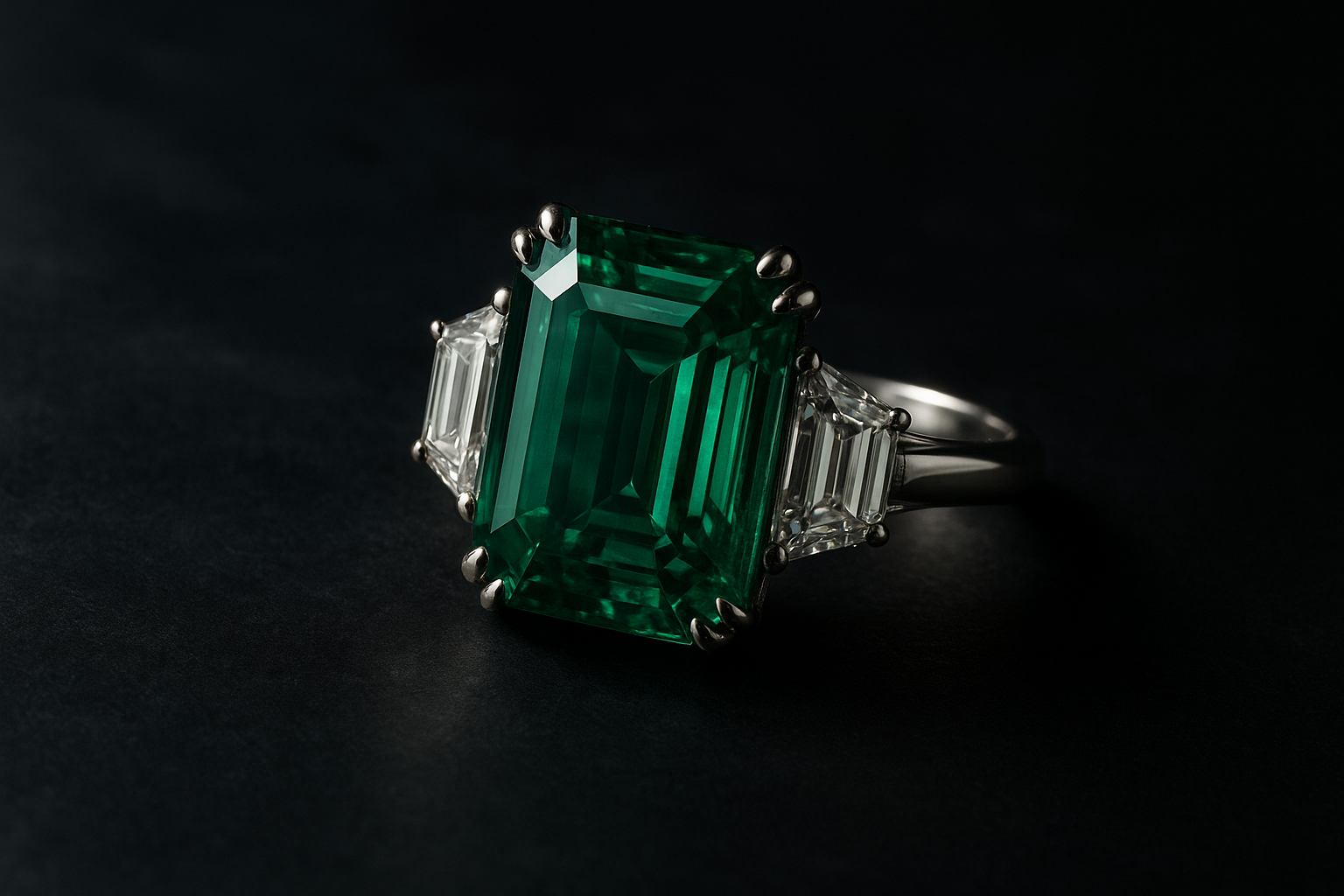
I've sat in the room at Christie's Geneva when an 18-carat Kashmir sapphire went nowhere. Magnificent stone. Cartier mounting from 1925. The auctioneer opened bidding, silence hung for five seconds that felt like five minutes, and then — passed. The whole room shifted in their seats. Behind me, a dealer I've known for ten years leaned forward and whispered what everyone was thinking: "Wrong estimate."
That lot wasn't bad jewelry. It was bad positioning. And in this business, the difference between a hammer price that makes the trade talk and a passed lot that quietly disappears into the post-sale inventory list comes down to a handful of correctable mistakes. I see them at every auction cycle. Same errors, different houses, year after year.
What's the Real Reason a Great Piece Passes?
Reserve price. Almost always.
Every seller walks into an auction consignment meeting with a number in their head. Sometimes that number comes from what they paid. Sometimes it comes from what a similar piece sold for in 2014. Sometimes — and this is the dangerous one — it comes from retail replacement value, which has absolutely nothing to do with what buyers in a Geneva or New York auction room are willing to bid on a Tuesday afternoon.
Auction houses want the consignment, so they'll agree to an ambitious reserve. They shouldn't, but they do. Then sale day arrives, and you've got a Burmese ruby ring estimated at $400,000–600,000 with a hidden reserve at $550,000. The bidders sense it. The room reads the tension. Bidding stalls at $420,000, the auctioneer can't sell below reserve, and the lot passes. Public failure. The piece now carries what I call "auction fatigue" — the stigma of having been offered and rejected.
I tell sellers the same thing every time: if your reserve is above the low estimate, you're gambling. Set the reserve 10–15% below the low estimate. Let the market fight. A piece that opens at $280,000 and sells for $520,000 with six bidders chasing it builds a story. A piece that passes at $420,000 becomes damaged goods.
Do Bad Lab Reports Kill Auction Results?
Yes. And this is one I watch closely, because I buy stones that need recutting and re-certing specifically because the existing paperwork is hurting them.
For diamonds, GIA is non-negotiable. I don't care if the stone came with a certificate from a lab the seller trusts — if the auction catalog lists anything other than GIA for a diamond, smart buyers discount the stone immediately. They assume there's a reason the seller didn't send it to GIA. Maybe the color grade is soft. Maybe the clarity is borderline. Doesn't matter. The assumption alone takes 10–20% off the bidding.
For colored stones, the problem is different. Sapphires, rubies, emeralds — GIA is not the right lab for origin or treatment determination. The serious buyers, the ones who actually write checks for six and seven figures, want SSEF, Gübelin, or AGL. I've watched sapphires with GIA origin reports sit while comparable stones with SSEF origin papers sell above estimate. It's not that GIA is wrong — it's that the buyer pool for important colored stones doesn't trust GIA for origin calls the way they trust the Swiss labs. If you're consigning a Kashmir sapphire or an unheated Burmese ruby, get the SSEF or Gübelin report. Spend the $3,000–8,000. It's the cheapest insurance against a passed lot you'll ever buy.
An older report — say, a GIA cert from 2012 — also drags on bidding. Buyers wonder if the stone's been worn, chipped, re-oiled, or re-treated since then. A fresh cert dated within 12 months of the sale signals that the stone has been re-examined and the condition is current.
Why Did the Room Not Even Bid?
Wrong room, wrong marketing, or both.
An auction house puts a piece in a general "Magnificent Jewels" sale when it should have gone into a themed sale — or worse, into a different auction house entirely. I've seen important Art Deco Cartier pieces sit at houses that have no business selling vintage jewelry because their buyer base is contemporary diamonds and branded luxury. The bidders aren't there.
Catalog placement matters more than most sellers realize. Front-of-book lots get photographed, studied, and previewed. Back-of-book lots get scanned. If your piece is lot 247 in a 300-lot sale, it's getting 15 seconds on the screen and a row of dealers checking phones instead of looking up.
Condition reports are another silent killer. If the condition report notes a chipped culet, a loose pavilion facet, significant wear to the mounting — and the estimate doesn't reflect it — buyers assume the piece is overpriced and don't engage. Better to address condition upfront, price accordingly, and let transparency build trust.
Some pieces are simply too niche. A 30-carat unheated Mahenge spinel is spectacular to me and maybe three other people on Earth who know what that is. Put it in front of a room of jewelry collectors chasing signed Van Cleef and it goes nowhere. That's not the stone's fault. It's a cataloging error.
How Do You Prevent a Passed Lot Before Consigning?
- Get the right lab report. GIA for diamonds. SSEF, Gübelin, or AGL for colored stones. Make sure it's less than 12 months old.
- Set the reserve at or below the low estimate. I recommend 10–15% under. Let competitive bidding determine the final price.
- Ask the auction house for a specific lot placement. Front third of the sale, or within a themed section where relevant buyers are already bidding.
- Review the condition report before it goes to print. If there's a chip, a filled cavity, significant wear — address it. Either repair it (with disclosure) or adjust the estimate.
- Choose the right house for the piece. Sotheby's and Christie's aren't interchangeable for every category. Look at comparable results from the last 12 months, not five years ago.
- Don't let a piece sit in inventory too long between auction cycles. If it passed once, the next offering needs a materially different approach — new cert, adjusted estimate, different sale — or it risks passing again.
A passed lot is rarely about the jewelry. It's about preparation, positioning, and pricing. Get those three right, and the market will find the price. Get any one wrong, and the silence in the room is the most expensive sound in the jewelry business.
Frequently Asked Questions
What happens to a piece of jewelry after it passes at auction?
The piece becomes what the trade calls a "post-sale" lot. Most auction houses keep it available for private negotiation for 30 to 90 days after the sale. If I'm interested in a passed lot, this is when I move — the seller has just been humbled by a public non-sale, and the reserve becomes far more negotiable. Some houses will sell below reserve during this window if the auctioneer receives an offer close enough to the number. If it doesn't sell post-sale, the consignor takes it back. Then it either goes to a dealer quietly, gets re-consigned to a different house six months later, or disappears into a safe for years. The worst outcome is when a seller refuses to adjust expectations — that's how a good stone becomes permanently unsold inventory.
Can a passed lot sell well at a later auction?
It can, but only if something changes materially. Running the same piece with the same estimate and the same cert into the next cycle is a recipe for the same result. I've bought stones that previously passed because the seller finally agreed to recut or re-certify, which gave the piece a fresh narrative. A new GIA or SSEF report with different numbers changes the conversation entirely. Alternatively, moving a piece from a general sale to a single-owner or themed collection — or switching auction houses — can put it in front of entirely different buyers. The key is that something about the offering must be genuinely different, not just the calendar date.
Does a passed lot mean the jewelry has something wrong with it?
No. Some of the finest stones I've handled passed at auction before I acquired them. A passed lot usually means the gap between seller expectations and market reality was too wide on that specific day in that specific room. It could be a $2 million stone with a $3 million reserve. It could be a perfect Kashmir sapphire with an outdated certificate from a lab nobody in the colored stone market trusts. It could be a piece that landed in the wrong auction house entirely. The jewelry itself is often exceptional. That's what frustrates me most about watching good pieces pass — the failure is almost always upstream of the object itself, in decisions made months before the gavel ever went up.
Written by Lawrence Paul
Lawrence Paul is a fine jewelry dealer based in New York's Diamond District with over 20 years of experience buying and selling signed vintage and estate jewelry. He is President of Spectra Fine Jewelry at 44 West 47th Street, Suite GF1, New York, NY 10036.
Continue Reading
Get the Collector's Newsletter
Join collectors who get authentication tips, market insights, and new guide alerts. No spam, just practical knowledge.
Need Help?
Send photos of a piece you're evaluating. We'll give you a straight read—no pressure, no BS.
Contact Spectra Fine Jewelry →Ready to Browse Authenticated Pieces?
Every item at Spectra Fine Jewelry goes through our verification process before it hits the case. No guesswork. No surprises.