Why Provenance Matters More Than You Think
Published: January 29, 2026
Two identical Cartier bracelets sit on a dealer's counter. Same model, same era, same condition. One sells for $8,000. The other sells for $12,000.
The difference? Provenance.
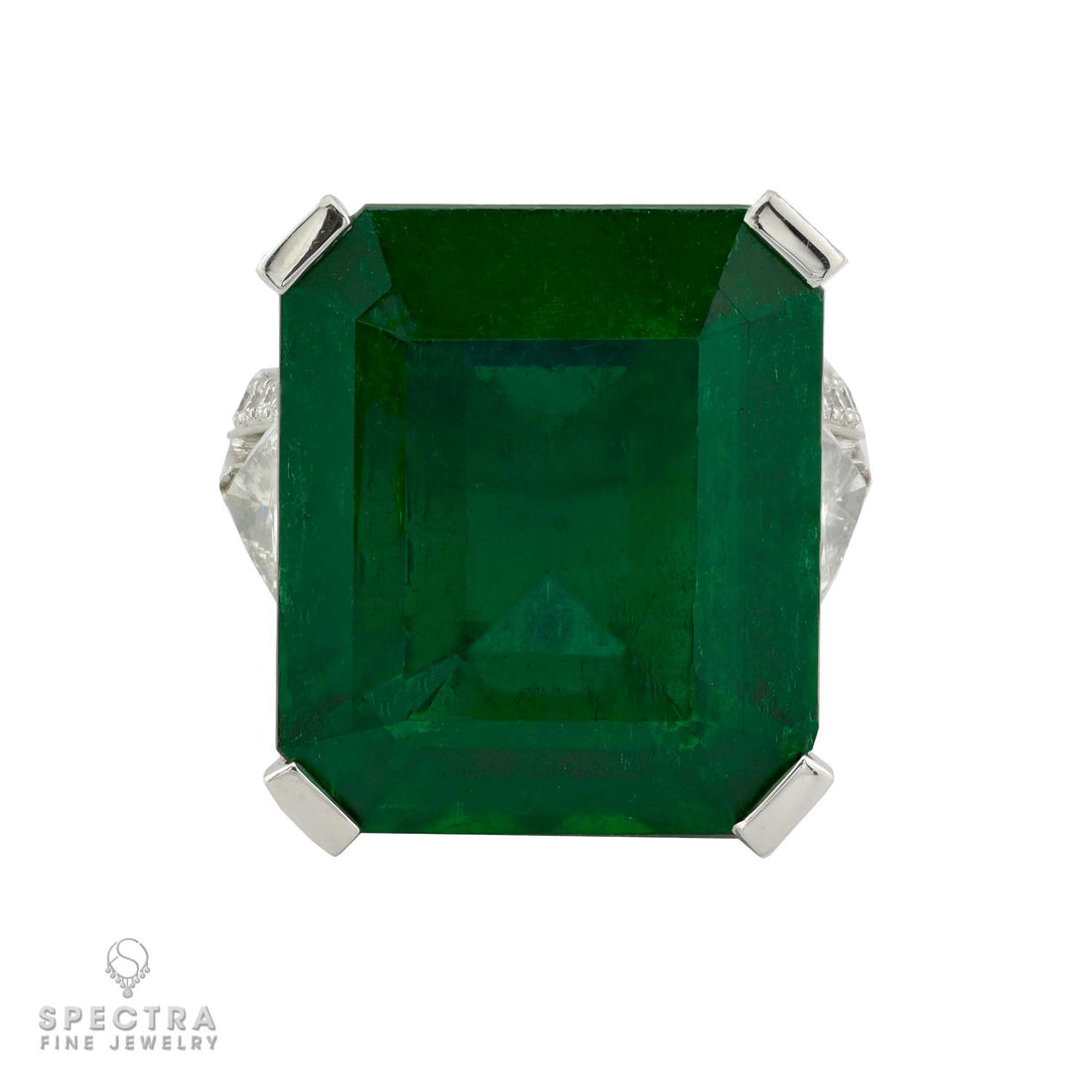 A signed Graff emerald and diamond ring—exceptional pieces like this carry significantly more value when accompanied by documented provenance
Collectors obsess over provenance for good reason. It's not just about bragging rights or the romance of history. Provenance directly affects value, authenticity confidence, and sometimes even legality.
Here's why it matters—and what actually constitutes good provenance.
What Provenance Really Means
Provenance is documented ownership history. Where a piece came from, who owned it, and how it got to you.
Strong provenance creates a chain of custody. Weak provenance creates questions.
At its best, provenance tells a story that independently confirms what the piece itself says—that it's genuine, legally owned, and exactly what it claims to be.
The Authenticity Multiplier
When a piece comes from a known collection, the authentication work is partially done.
If an item was purchased from Tiffany in 1985, documented in the buyer's insurance records, inherited by their estate, and sold through a major auction house—that's a lot of eyes that have seen and accepted it as genuine.
Compare that to: "I bought this at an estate sale. No idea who owned it before."
Both pieces might be authentic. But one has evidence. The other has hope.
The practical impact: Insurance companies, auction houses, and sophisticated collectors treat provenance as part of authentication. A piece with ironclad history faces less scrutiny than one appearing from nowhere.
The Four Levels of Provenance
Level 1: Complete Documentation
The gold standard. Original receipt from the brand. Insurance appraisals. Photographs showing the piece being worn by identified owners. Inheritance documentation. Auction records.
This level of provenance can add 20-40% to value for significant pieces and essentially eliminates authenticity concerns.
Level 2: Partial Documentation
Some records exist. Maybe an old appraisal without the original receipt. Or auction records from 15 years ago without earlier history. Insurance photos without the policy.
Still valuable. Shows the piece existed in respectable hands at documented points. Fill in what gaps you can.
Level 3: Credible Story
No documents, but a believable narrative. "This was my grandmother's. She bought it from a jeweler in New York in the 1960s. Here she is wearing it in family photos."
Better than nothing. The story can be checked against the piece's characteristics. Photos can be dated. Family members can be asked about details.
Level 4: Unknown
"Bought at an estate sale." "Found in an antique shop." "The seller said it came from a good family."
This is where caution matters most. The piece must stand entirely on its own merits. No benefit of the doubt from history.
What Good Documentation Looks Like
Original purchase receipts: The holy grail. Shows exactly what was purchased, when, from where, and for how much. Even a receipt from a decades-old purchase has value.
Insurance appraisals: Professional appraisals for insurance create a documented record. They describe the piece, sometimes include photos, and establish that a qualified person examined it.
Auction records: Major auction houses photograph, catalog, and research items before sale. Being in a Christie's or Sotheby's catalog creates permanent documentation.
Brand service records: If the piece was serviced by the original maker, those records may still exist. Cartier, Van Cleef & Arpels, and others maintain historical records.
Period photographs: Pictures of the original owner wearing the piece, especially dated photos, establish existence and ownership.
Estate and inheritance documents: Wills, estate inventories, and legal documents transferring ownership create paper trails.
The Legal Dimension
Provenance isn't just about authenticity and value. It's about legal ownership.
Stolen property: Jewelry gets stolen. Sometimes it resurfaces decades later. Buying stolen property—even unknowingly—can mean losing the piece when the rightful owner or their heirs come forward.
Looted cultural property: Items removed from countries illegally, especially during wartime or colonial periods, can face repatriation claims.
Estate complications: Pieces sold outside proper estate proceedings can have unclear title.
Strong provenance demonstrates legitimate ownership transfer. It's your protection against someone else's claim.
While provenance is critical, it's just one part of the authentication picture. Combine documented history with physical examination—see our authentication guide for the complete framework.
Red Flags in Provenance Claims
Vague origins: "From a European collection" means nothing. Who? When? How did you acquire it?
Broken chains: Documentation that starts partway through the piece's life with no explanation of earlier history.
Mismatched stories: The receipt says one thing, the piece shows another. A 1950s receipt for a 1970s design.
Too good to be true: Every piece in a collection has perfect documentation from famous owners? Be skeptical.
Reluctance to share: Sellers who claim great provenance but won't share documentation are either lying or hiding something.
Building Provenance for Your Collection
Start documentation now. Future owners—including your heirs—will thank you.
What to keep:
- Purchase receipts (including from secondary market)
- Appraisals and authentication letters
- Photographs of you wearing pieces
- Any historical documentation that came with pieces
- Service records and receipts
What to create:
- A collection inventory with photos and descriptions
- Notes on where you acquired each piece
- Any research you've done on piece history
How to store:
- Physical documents in a safe location
- Digital copies backed up securely
- With your estate planning documents
When to Pay for Provenance
Premium prices for documented pieces are justified when:
- The provenance significantly reduces authentication risk
- The history adds genuine collector interest
- Documentation is verifiable, not just claimed
- The premium is proportionate to the provenance value
Don't pay extra for:
- Unverifiable claims
- Partial documentation of obvious information
- Stories without supporting evidence
- "Celebrity provenance" without proof
The Investment Perspective
In a market increasingly concerned with authenticity, provenance is becoming more valuable, not less.
As fakes get more sophisticated, documented history becomes a stronger differentiator. Pieces with clean provenance sell faster, bring higher prices, and face fewer questions.
Think of good documentation as an investment. What you spend on appraisals and proper record-keeping comes back in resale value and peace of mind.
The Practical Takeaway
When evaluating a piece, ask: Where did this come from?
A good answer—documented, verifiable, logical—adds confidence and value. A vague answer, or no answer at all, means the piece must prove itself entirely on physical evidence.
Both approaches can lead to good purchases. But know which situation you're in.
Questions About a Piece's History?
We research provenance as part of our authentication process. Send photos and whatever history you have—we'll help fill in the picture.
Independent educational resource. Not affiliated with any brands mentioned.
Continue Reading
Get the Collector's Newsletter
Join collectors who get authentication tips, market insights, and new guide alerts. No spam, just practical knowledge.
Need Help?
Send photos of a piece you're evaluating. We'll give you a straight read—no pressure, no BS.
Contact Spectra Fine Jewelry →Ready to Browse Authenticated Pieces?
Every item at Spectra Fine Jewelry goes through our verification process before it hits the case. No guesswork. No surprises.