How to Authenticate Signed Jewelry
The systematic workflow professionals use. No magic tricks—just methodical examination.
Last updated: January 28, 2026
How to Authenticate Signed Jewelry: A Practical Workflow
I'm not going to pretend there's a magic trick that separates every fake from every real piece. There isn't. Authentication is pattern recognition, consistency checking, and knowing when something doesn't add up.
What I can give you is the process I actually use. It's not glamorous. It's methodical. And it works.
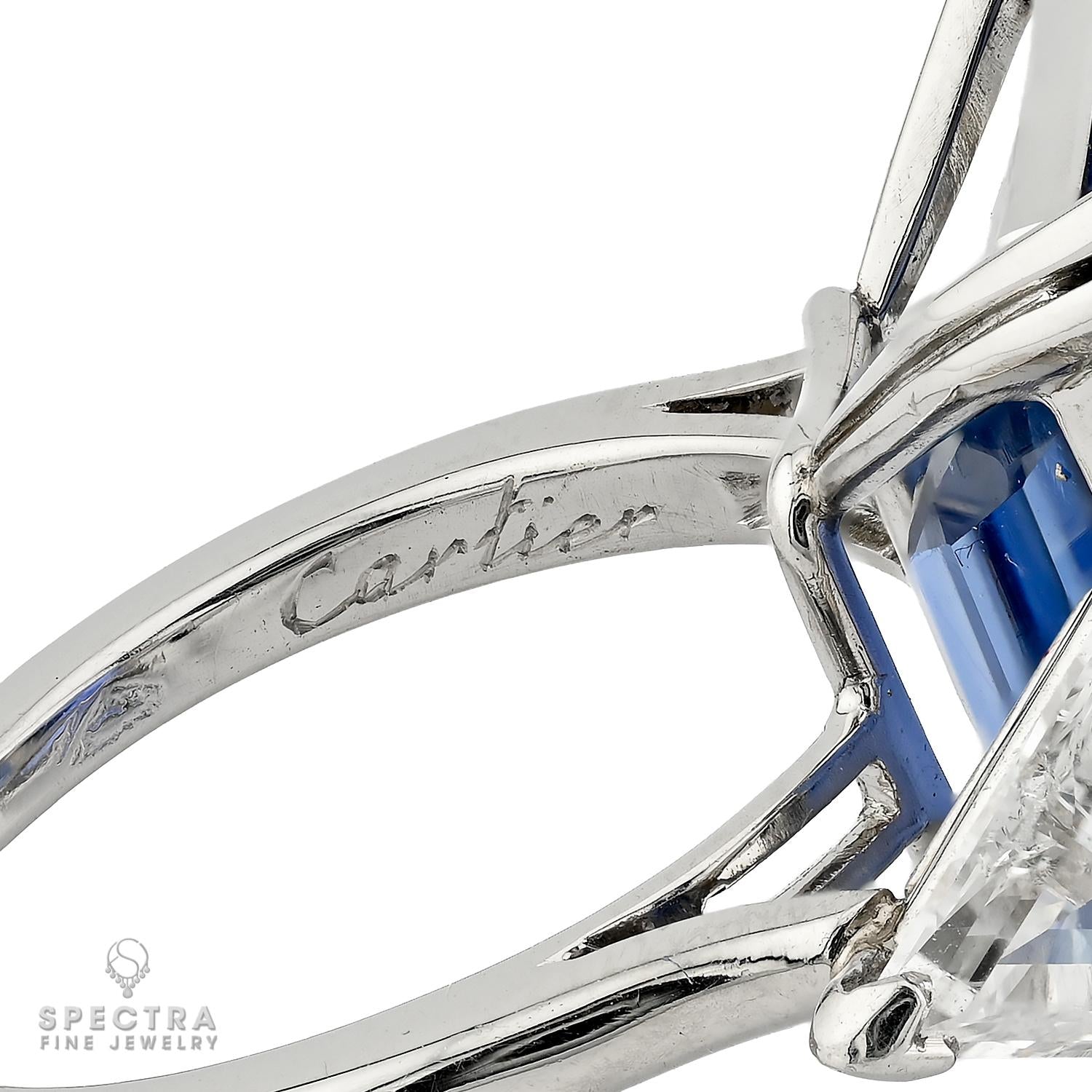 Authentication starts with careful examination. A loupe, good lighting, and a systematic approach reveal what quick glances miss. Photo: Spectra Fine Jewelry
Step 1: Take Photos That Matter
Before you analyze anything, document everything. And I mean everything—not one hero shot, not the angle that makes it look best.
What to photograph:
- Front and back
- Side profile
- Clasp or closure mechanism (open and closed)
- Close-up of every stamp, mark, and engraving
- Any repairs, solder marks, or wear spots
- Under different lighting (harsh light shows scratches and wear)
One good evidence photo is worth ten pretty ones. Get the boring documentation shots first.
Step 2: Find Every Mark
Most people find the brand signature and stop looking. Don't.
Search for:
- Brand name / signature
- Metal fineness (750, 18K, 950, 925, etc.)
- Hallmarks (assay office marks, date letters)
- Serial numbers or production codes
- Maker's marks or sponsor's marks
- Country marks or import marks
Check multiple locations. Rings have marks inside the shank. Bracelets usually have them on the clasp tongue AND sometimes on the body. Necklaces might have marks near the clasp AND on the pendant.
Write down what you find and where you found it.
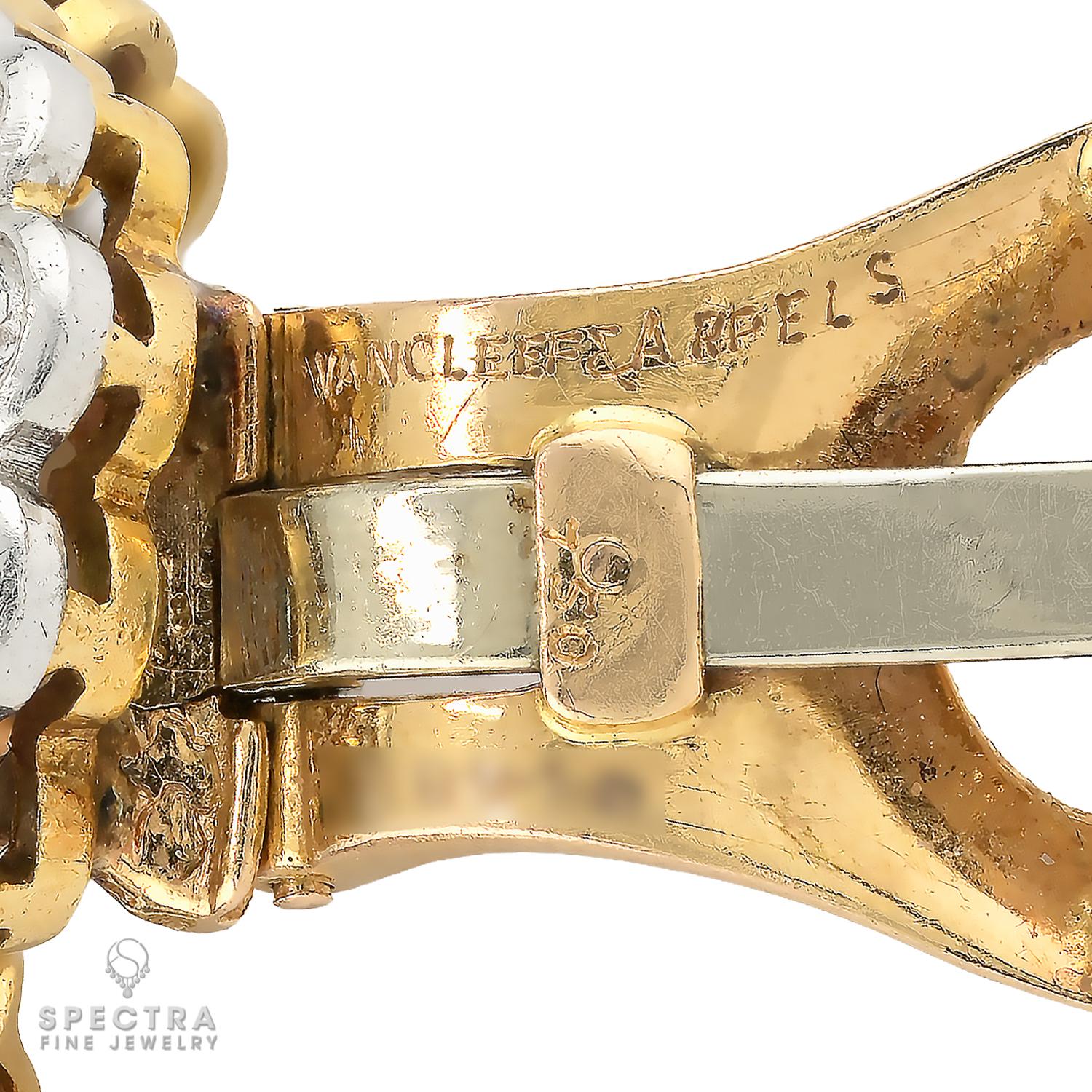 A well-marked piece: Van Cleef & Arpels showing brand signature, French eagle head (18K gold), and maker's lozenge. Photo: Spectra Fine Jewelry
Step 3: Identify What Type of Mark Each One Is
Not all stamps are the same. Sort them:
| Mark Type | What It Tells You |
|---|---|
| Brand signature | Who claims to have made it |
| Metal fineness | Gold/silver/platinum content |
| Hallmark stack | Independent verification of metal (in some countries) |
| Serial number | Production/service tracking |
| Maker's mark | Who submitted it for hallmarking |
Don't mix these up. "Cartier" is a brand claim. "750" is a metal claim. An eagle head is an independent verification. Different evidence, different weight.
Step 4: Check Placement Logic
Every major house has patterns for where they put marks. Learn them.
Ask yourself:
- Is this where a careful maker would put a stamp?
- Is the stamp hidden but accessible (inside shank, clasp tongue)?
- Are all the marks in the same zone, or scattered oddly?
- Do the marks look like they were applied at the same time?
Weird placement isn't automatic proof of a fake. But it's a reason to look harder.
Step 5: Check Wear Consistency
This is where fakes often fail.
The stamps should have lived the same life as the piece.
If the bracelet shows 50 years of wear—rounded edges, micro-scratches, softened details—the stamps should show similar aging. A crisp, sharp signature on a heavily worn piece is suspicious. Someone might have re-engraved or applied a mark to something that didn't originally have one.
Conversely, if a piece looks recently polished, the stamps might look cleaner than you'd expect for the age. Context matters.
Step 6: Examine Construction
This is where expertise comes in. Authentic pieces from major houses have:
Clean finishing: The back is finished almost as well as the front. Solder lines are minimal and clean.
Good engineering: Clasps snap properly. Springs have tension. Hinges align. Box clasps engage solidly.
Consistent proportions: Stone settings are symmetrical. Link sizes are uniform. Prongs are evenly spaced.
Appropriate weight: Luxury brands don't make flimsy pieces. If it feels cheap, it might be.
Step 7: Reality-Check the Metal
Does the metal mark match what you're seeing?
- If it says 750 (18k gold), is it the right gold color? (Note: white gold is often rhodium plated)
- If it says platinum, does it have the right weight and wear pattern?
- Is the metal color consistent throughout, or are there spots that look different?
Not sure what the numbers mean? 750 indicates 75% pure gold (18 karat). Our precious metals converter translates between fineness marks and karat ratings.
This is where a simple acid test or electronic tester can help—but those tools check metal, not brand authenticity.
Step 8: Consider Serial Numbers and Documentation
Serial numbers: Helpful, but not a guarantee. They can be worn, partial, absent, or added. Treat them as supporting evidence, not proof.
Papers and boxes: Nice to have, occasionally helpful, easily faked. A certificate from the brand is more meaningful than a generic box.
Service records: Actually useful. They show the piece went through official channels. Ask for them.
Step 9: Research the Design
Does this piece match what the brand actually made?
- Is this a known model/collection?
- Does the design match the claimed era?
- Are there small details (clasp style, setting technique) that fit the period?
A "1960s Cartier" that uses construction techniques from 2015 has a problem. Design history matters.
Step 10: Make Your Call
After all that, you land in one of three places:
Confident: Multiple consistent signals. Construction matches the brand. Marks are logical and appropriately worn. No red flags.
Cautious: Mostly consistent, but one or two gaps. Maybe a worn mark, replaced clasp, or missing serial. Not disqualifying, but worth noting.
Walk away: Inconsistent marks. Construction doesn't match. Story doesn't add up. Even if you can't prove it's fake, you can't prove it's right either.
When in doubt, walk away. There's always another piece.
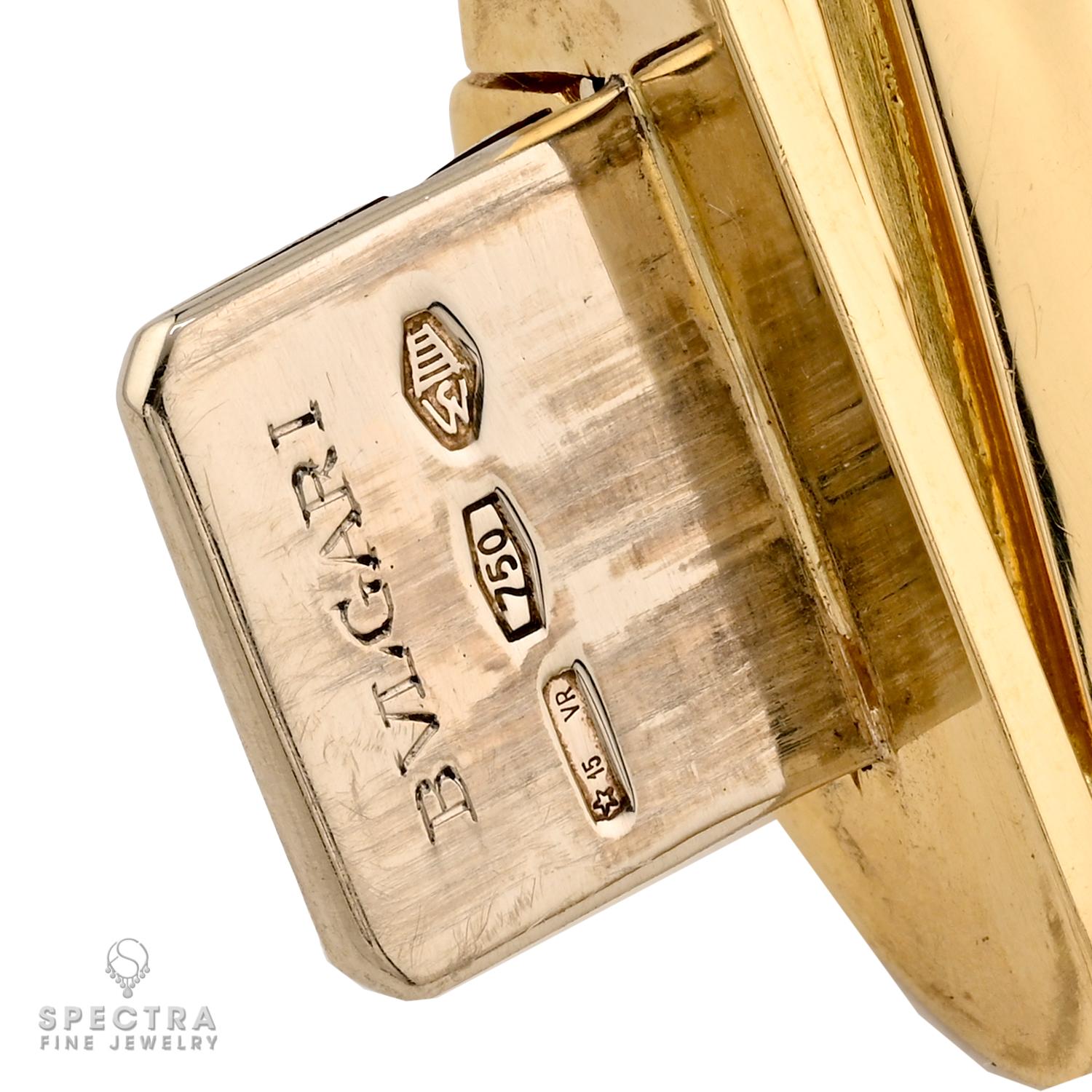 Look for consistency: This Bulgari piece shows harmonious marking—brand signature, 750 fineness, and Italian star all properly aligned. Photo: Spectra Fine Jewelry
What This Process Won't Do
It won't give you 100% certainty from photos alone. It won't catch every sophisticated fake. It won't substitute for hands-on examination by someone experienced.
But it will catch most problems. It will make you think systematically. And it will protect you from the obvious mistakes that trip up emotional buyers.
Need a Second Opinion?
We look at pieces for collectors all the time. Send photos, tell us what you're seeing, and we'll give you a straight read.
Related Guides
Understanding Hallmarks → What hallmarks actually mean—and what they can't tell you.
Where to Find Hallmarks → Know exactly where to look on each jewelry type.
Gold Hallmarks by Country → UK, French, Italian, and American gold marks explained.
Visual Hallmark Reference → See what authentic marks look like.
Independent educational resource. This guide represents one approach to authentication—it is not a guarantee of any outcome.
Use Our Authentication Tools
Frequently Asked Questions
Related Guides
About This Guide
This guide was written by the authentication specialists at Signed Vintage Jewelry, a Diamond District resource backed by Spectra Fine Jewelry's 30+ years of expertise in signed and estate pieces. Our team examines hundreds of pieces monthly.
Get the Collector's Newsletter
Join collectors who get authentication tips, market insights, and new guide alerts. No spam, just practical knowledge.
Need Help?
Send photos of a piece you're evaluating. We'll give you a straight read—no pressure, no BS.
Contact Spectra Fine Jewelry →Ready to Browse Authenticated Pieces?
Every item at Spectra Fine Jewelry goes through our verification process before it hits the case. No guesswork. No surprises.